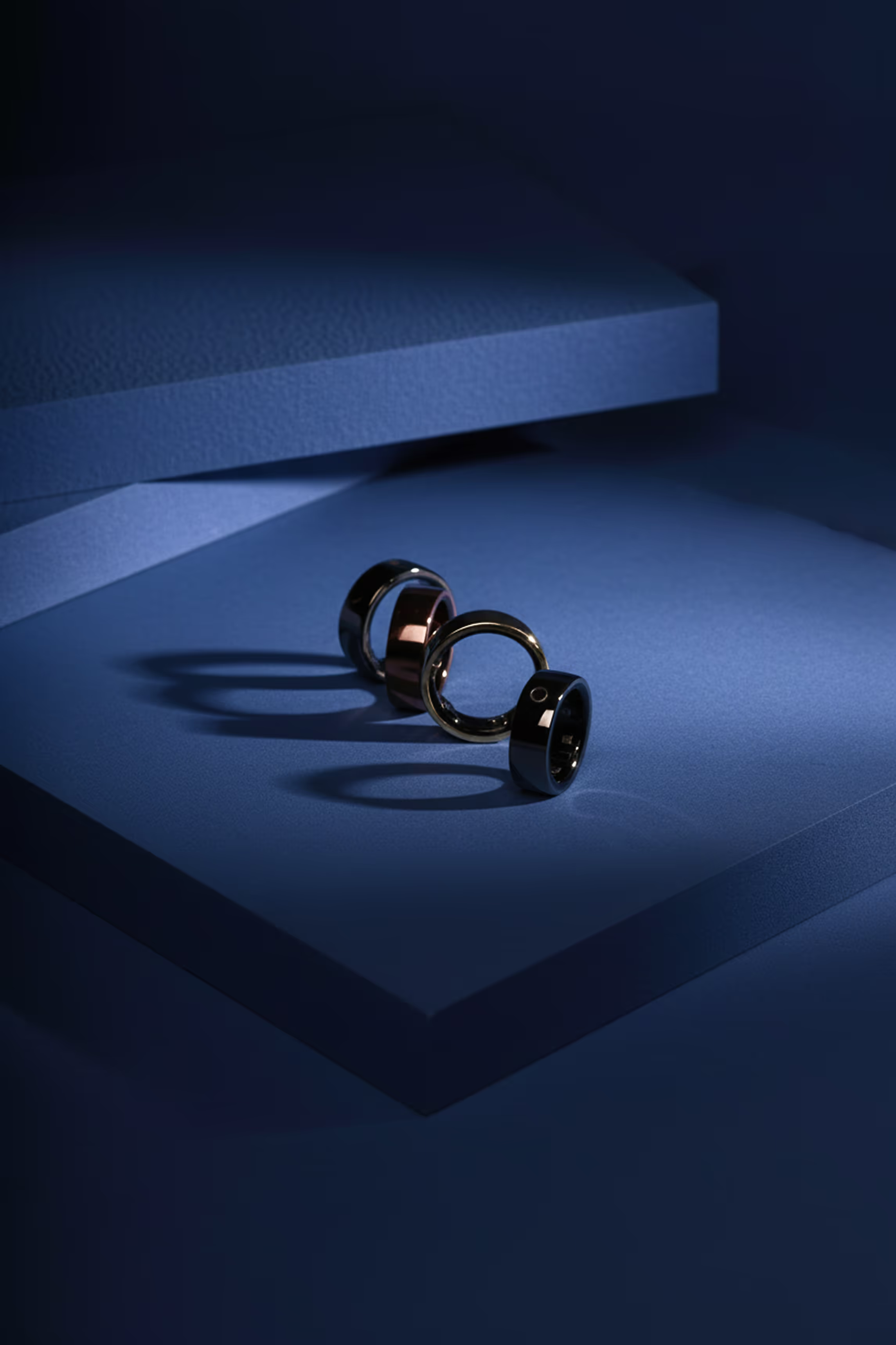
Energy Score · Circular Ring 2
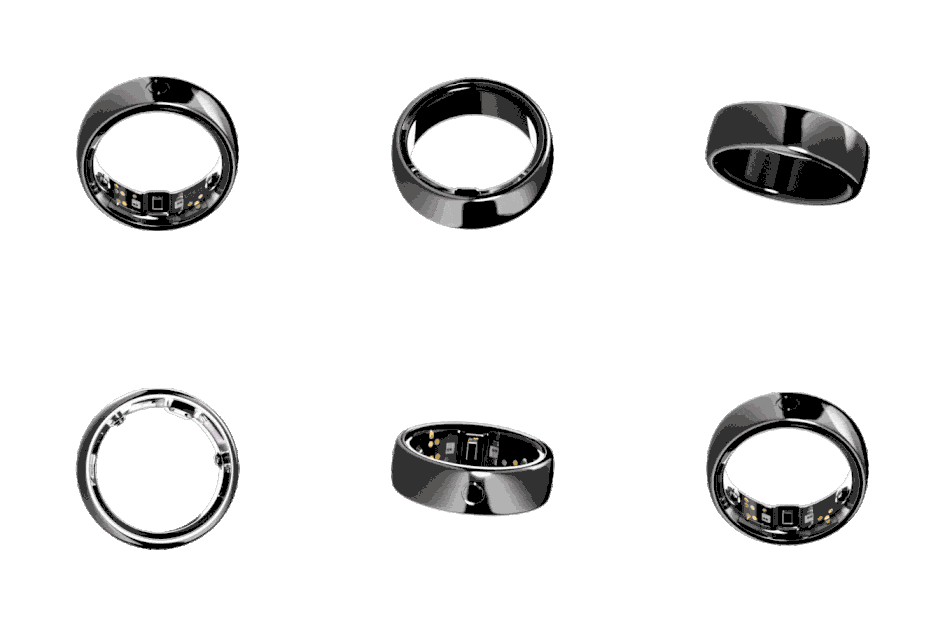
Circular Ring 2 builds your daily Energy Analysis by reading nine signals: sleep quality, HRV, resting heart rate, breathing rate, blood oxygen, body temperature, activity load, recovery speed, and how you woke up. The system combines them into one recommendation each morning: push hard today, or prioritize recovery.
You wake up and try to guess what your body can handle. Some days you push too hard and crash by noon. Other days you hold back when you had more energy than you thought.
You can feel fine but be physiologically depleted. You can feel tired but still have capacity if you know where to look.
Sleep, HRV, stress, recovery all matter. Most apps show you the pieces and expect you to interpret the whole picture yourself.
You can push hard for days and not see the cumulative strain until the collapse happens.
Circular Ring 2 reads your overnight signals after you wake and turns them into one Energy Score. Each contributor is compared against your own baseline, so the score reflects what is normal for your body, not a generic average. Instead of checking separate graphs first thing in the morning, you get one clear snapshot of how much energy your body is starting with today.
The system reads how long you slept, the balance of your sleep stages, and how close your heart rate was to its lowest point early in the night. Better sleep quality and earlier deep recovery both raise your Energy Analysis.
Your HRV, resting heart rate, and breathing rate each tell part of the story of your nervous system state. Together, they show whether your body is managing stress or accumulating it.
The score accounts for how much you moved in the past week and whether your activity is balanced with recovery.
A rise in body temperature or a shift in blood oxygen can signal illness onset or incomplete recovery. These are factored into whether you have capacity to push.
Your Energy Analysis sits on a scale: above 90 is excellent, 80 to 89 is good, below 80 means recovery is needed. Each morning, the number tells you whether to push, maintain, or rest.
Daily Energy Analysis, nine-signal analysis, and daily recommendations are all included with your ring's 14+ core subscription-free feature plan.
Your Energy Analysis is 72. You feel okay, maybe a little tired. You had planned a hard training session. The score is red. Looking at the details, your HRV dropped overnight and your temperature is slightly elevated. You do a light walk instead of the session. The next morning, the score is back to 85.
Four days of high scores. You trained hard, worked late, pushed through. By day five, the score drops to 68. You see it building in the data: HRV drifting lower each night, resting heart rate creeping up, activity load climbing without recovery balancing it. You take the day easy. By Sunday, the score is green again.
A long flight, a time zone change, a hotel bed. You expected to feel off. The Energy Analysis is lower than usual, which makes sense. You see why: sleep quality was fragmented, your heart rate variability dropped, and your breathing rate was elevated. Understanding the reason makes the fatigue feel less like failure and more like recovery in progress.
Your Energy Score usually sits around 85 to 90, but this morning it is 78. Your breathing rate is higher than normal, and your temperature has shifted slightly. You do not feel sick yet, but your body looks under strain. So you take the day easier, rest more, and give your body a better chance to recover.
You have three high-stress work days and one important presentation. You check your Energy Analysis across the week. Two days show high scores. You schedule the hardest work and the presentation for those days. You protect sleep and light activity the other two days. You finish the week intact instead of crashing.
Your Energy Score keeps dropping on Sundays. Looking back, Saturday nights are the pattern. Less sleep, higher stress, weaker recovery. Once you see it, you can adjust earlier and start Sunday with more energy.
Your energy is shaped by more than one thing. Sleep, stress, activity, recovery, travel, illness, and cycle phase can all affect how your body starts the day. Circular Ring 2 reads these signals together across its 14+ core features. That is why your Energy Score is not just a number. It is built from the wider picture of your body, including sleep stages, HRV, stress, recovery, and activity load.
Kira AI
Kira AI reads your Energy Analysis alongside every signal the ring captures and writes one specific recommendation each morning in simple and understandable language. On a high-scoring day, it might say push hard on the project you have been delaying. On a moderate day, it might suggest a lighter workout. On a low-scoring day, it might recommend an early bedtime and a walk instead of training. The recommendation is built on your data, shaped to your day, and delivered before you need to make the decision.
The Energy Analysis combines nine physiological signals: sleep quality, sleep stage balance, wake timing, heart rate variability, resting heart rate, breathing rate, blood oxygen level, body temperature variation, and activity volume from the past week.
Circular reads your sleep over the past 2 days, not just last night. It looks at sleep duration, sleep stages, and how quickly your heart rate dropped after you fell asleep. When your recent sleep is stronger and your body settles into recovery earlier, your Energy Score can rise.
HRV measures nervous system recovery. Resting heart rate measures cardiovascular fitness and accumulated stress. Breathing rate indicates your respiratory load and overall wellbeing. All three are read together to show whether your body is managing stress or accumulating it.
The system looks at your activity volume over the past week and checks whether recovery is keeping up. High activity without adequate recovery lowers the Energy Analysis.
A rise in body temperature or a drop in blood oxygen can signal illness or incomplete recovery. Both are factored into your daily score.
Energy Analysis above 90 = Excellent. 80 to 89 = Good. Below 80 = Recovery needed. The score is updated each morning based on the previous night's sleep and the previous day's activity.
Circular Ring 2 is not a medical device. The Energy Analysis does not predict burnout, diagnose fatigue, guarantee performance, or measure actual energy reserves medically. It helps you understand patterns and make better pacing decisions based on physiological signals.
Recent travel, time zone changes, illness, alcohol, poor sleep environment, high stress, intense training, hormonal cycle changes, and missed meals can all influence your Energy Analysis. The system reads these as they appear in your body data.
Energy Analysis and all contributing signal data are encrypted and processed with GDPR and HIPAA compliance.
USD$299
Circular Ring 2 is a wellness device. It does not diagnose, treat, cure or prevent any disease.
Energy Analysis is a daily number that shows how much capacity your body has to handle effort, take on intensity, or recover. It combines nine physiological signals from overnight and the previous day into one morning assessment.
Sleep quality, sleep stage balance, wake timing, heart rate variability, resting heart rate, breathing rate, blood oxygen level, body temperature variation, and activity volume. All nine are weighted and combined into the daily score.
Above 90 is Excellent, meaning your body has high capacity for intensity. 80 to 89 is Good, meaning you can work but recovery is moderate. Below 80 means recovery is needed, and you should prioritize rest.
The Energy Analysis is calculated and delivered each morning based on your overnight sleep and the previous day's activity. You see it as soon as you open the app.
Feeling fine and being physiologically capable are different things. Your Energy Analysis may be lower because your HRV dropped, your sleep was fragmented, your resting heart rate is elevated, or your breathing rate suggests stress. The score is reading your body, not your mood.
The score may reflect recent good sleep or lower activity load compensating for the stress you felt. The physiological picture is sometimes clearer than the emotional one.
A high-scoring day means your body has capacity. Use these days for hard training, intense mental work, or the challenges you have been delaying. These days are valuable because they are not every day.
A moderate day means you can work, but capacity is balanced. Maintain steady effort without pushing to the maximum. Continue your routine but avoid overload.
A low-scoring day means recovery is needed. Prioritize sleep, take light movement instead of hard training, and reduce work intensity where possible. A single low day is not a problem. Multiple in a row is a signal to change something.
You can, but the score is reading your physiology, not your mood. A low score is worth taking seriously, especially if it is part of a pattern. Consider following the recommendation.
The system needs 14 days of consistent wear to build a reliable baseline. After that, the score becomes more personalized and accurate as the ring learns your patterns.
No. It is not a diagnosis. A sustained drop alongside elevated temperature or breathing rate shows your body is under strain, which is worth paying attention to.
Energy Analysis can help by showing the accumulation of recovery debt. If you see low scores building across a week without rest, the pattern is visible early. Using the score to pace yourself makes it easier to rest before you run yourself down.
Yes. Hormonal changes across the cycle affect sleep quality, HRV, resting heart rate, and body temperature. These changes appear in your Energy Analysis, and the score reflects your actual physiological state across each phase.
Travel disrupts sleep quality, affects circadian rhythm, and often lowers HRV. Your Energy Analysis typically drops on travel days and takes 3 to 5 days to return to normal as your body adjusts to the time zone.
Alcohol disrupts sleep quality and can lower HRV. Many users see a lower Energy Analysis the morning after drinking, even if the alcohol did not prevent sleep entirely.
Yes. High-intensity training without adequate recovery lowers HRV and raises resting heart rate. The next morning's score reflects the training load. This is normal. The score helps you balance hard days with recovery days.
Yes. That is the primary purpose. A high score means your body has the capacity for intensity. A low score means training hard will delay recovery further. The score helps you match your effort to your body's state.
Oura Readiness Score focuses on daily recovery. Circular Energy Analysis reads nine signals, including sleep, HRV, heart rate, stress, breathing rate, blood oxygen, body temperature, recovery speed, and activity load. The difference is the wider signal mix and how those signals are weighted into one morning score.
Whoop Recovery is subscription-based and focuses on strain and recovery balance. Circular Energy Analysis includes more physiological signals and comes with no monthly fee. Both use multi-signal approaches but calculate differently.
Garmin Body Battery changes throughout the day as your energy rises and falls. Circular Energy Analysis gives you one morning snapshot after waking, based on nine signals from overnight and the previous day. It shows how your body is starting the day, not just how your energy changes hour by hour.
No. Energy Analysis, all nine contributing signals, and Kira AI's daily recommendations are all included with Circular Ring 2 at no additional cost.
No. Circular Ring 2 is not a medical device. Energy Analysis is a wellness tool based on physiological patterns. It does not diagnose fatigue, predict burnout, or replace medical assessment.
Yes. Your data is encrypted and processed with GDPR and HIPAA compliance.

Take a reading whenever you want one. No subscription, no limit.