Breathing Rate · Circular Ring 2
Circular Ring 2 tracks your breathing rate every night, measuring how many breaths you take per minute while you sleep. Kira AI reads that signal with your heart rate, HRV, temperature, and recovery data, then turns the pattern into one clear action for the day ahead.
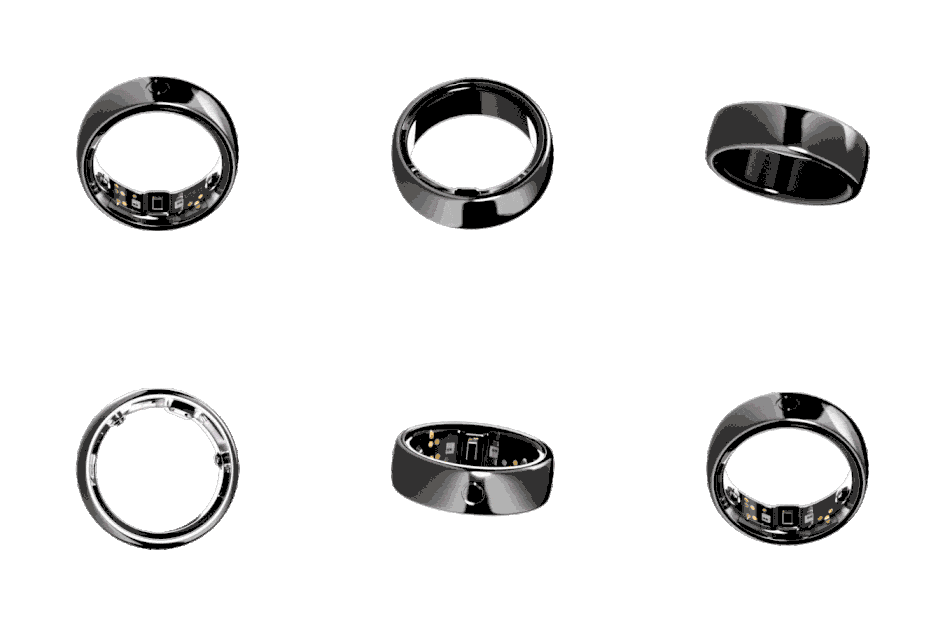
During sleep, your breathing rate usually stays steady. So when it rises above your normal, it can be a useful sign that something has changed.
Circular Ring 2 tracks your breaths per minute every night and compares them to your personal baseline. A higher breathing rate may point to poor recovery, stress, altitude, illness, or disrupted sleep.
Kira AI reads that pattern with your heart rate, HRV, temperature, blood oxygen, sleep, and recovery data, then gives you one clear action for the day ahead.
Most devices that track breathing rate show you a value. Without a personal baseline built on your own sleep data, that value has no reference point. Is 16 breaths per minute normal for you? Or is it elevated? A breathing monitor that cannot answer that question is not actually monitoring anything.
Breathing rate tells you when something changed. It does not tell you why.
A higher overnight breathing rate could come from training load, poor recovery, altitude, illness, stress, alcohol, or disrupted sleep. Circular Ring 2 reads it with HRV, temperature, blood oxygen, resting heart rate, and sleep data, so Kira AI can give you clearer guidance instead of leaving you with another number.
Some platforms surface breathing rate data and stop there. No correlation, no recommendation, no next step. You see the number. You do not know what to do with it.
Circular Ring 2 tracks your respiratory rate overnight and compares it to your personal baseline. Then Kira AI reads that change alongside your heart rate, HRV, temperature, blood oxygen, sleep, and recovery.
So instead of waking up to another number, you wake up to one clear action: rest, recover, adjust your sleep, or keep going.
Breathing rate is tracked automatically from sleep onset to wake, with no manual input required. The ring reads respiratory rhythm using a combination of PPG signal and accelerometer data, producing a reliable nightly average even as you move through sleep stages.
Kira AI builds a rolling baseline from your own nightly data. When your breathing rate shifts, the comparison is against your body's normal and not a generic range. This is how meaningful deviations are caught early, and noise is filtered out.
A shift in respiratory rate means different things on different nights. Kira AI reads your breathing rate against temperature trends, HRV, recovery load, and notes you have logged. A spike after an intense training session is interpreted differently from the same spike on a rest day. That distinction is what makes the insight actionable.
Breathing rate combined with SpO₂, temperature, and resting heart rate shows when your body is working harder than usual. Kira AI flags the combination when it recognises a shift linked to strain or disrupted recovery, so you can adjust your day.
Respiratory rate does not sit in a silo. It contributes directly to your Energy Score, your Recovery Score, and the context behind Kira AI's daily recommendation. A breathing rate deviation on a high-training week reads differently from the same deviation with no recent activity. The whole picture matters.
Breathing rate tracking, personal baseline comparison, and Kira AI's breathing-linked insights are included with Circular Ring 2. No monthly fee to unlock the data of 14+ core features.
Your resting heart rate is slightly higher than usual. Your temperature is above your baseline. Your breathing rate is up from your normal. One change alone might not mean much. Together, they show your body may be working harder than usual. Kira AI reads the full pattern and recommends an easier day, better sleep, and symptom monitoring.
You slept seven hours, but you wake up flat. Your sleep score looks fine, but your breathing rate rose during the second half of the night and your HRV stayed below baseline. Kira AI connects the signals and gives you a clearer reason for the tired feeling. Today is a day to recover, not push.
You had a late glass of wine and slept long enough, but your body did not recover well. Your breathing rate is higher, your HRV is lower, and your sleep looks lighter than usual. Kira AI connects the pattern and recommends moving your last drink earlier on nights before harder days.
You arrive at altitude and your breathing rate rises while your blood oxygen drops slightly. Kira AI reads both signals together and explains that your body is adapting to the elevation change. The recommendation is simple: lower training intensity, hydrate, and give your baseline time to settle.
After a hard training block, your breathing rate stays above your normal for two nights. Your HRV has not recovered either. Kira AI sees the strain pattern and recommends extending recovery before your next intense session. The breathing tracker helps you avoid pushing when your body is still rebuilding.
A difficult work week ends with disrupted sleep, higher breathing rate, and lower HRV. Kira AI reads the pattern with your stress data and recommends a short breathing exercise before bed, plus a more consistent sleep window for the week ahead.
Over several months, your average breathing rate slowly moves above your old baseline. There is no dramatic warning, just a steady change. Kira AI surfaces the trend with your sleep, recovery, activity, and other body data, so you can pay attention earlier and adjust your routine before the pattern becomes your new normal.
A higher breathing rate can be one sign that your body is under extra strain. On its own, it does not tell the whole story. But when it rises together with higher temperature, higher resting heart rate, lower HRV, or worse sleep, the pattern becomes more useful.
Circular Ring 2 uses breathing rate as one of the signals behind its Immunity Index. Kira AI reads these changes together and helps you decide whether to rest, reduce training, protect your sleep, hydrate, or keep monitoring how you feel.
A change in breathing rate only matters when you understand what changed with it. Circular Ring 2 reads your breathing rate alongside 140+ biomarkers, including HRV, SpO₂, skin temperature, resting heart rate, sleep stages, activity load, recovery, and ECG. Kira AI connects those signals and turns the pattern into one clear action for the day ahead.
Instead of waking up to another number, you wake up knowing what your body may need next.
Kira AI
A breathing monitor shows your respiratory rate. Kira AI shows what it may mean for your day.
Every morning, Kira AI reads your breathing rate with the rest of your body data, including heart rate, HRV, temperature, blood oxygen, sleep, recovery, stress, and activity. A respiratory rate of 17 breaths per minute does not tell you much unless you know whether it is normal for you, what changed around it, and how your body recovered overnight.
Kira AI compares the pattern to your personal baseline, then gives you one clear recommendation in plain language. Rest today. Lower your training load. Protect your sleep. Keep going.
Circular Ring 2 derives breathing rate from photoplethysmography (PPG) signal processing and accelerometer data during sleep. The respiratory rhythm is extracted from signal variations in the heart rate waveform and movement patterns, producing a breaths-per-minute value for each period of sleep.
Tracking begins automatically at sleep onset and runs continuously overnight. The ring does not require a manual mode. Nightly breathing rate is averaged from the full sleep window, with stage-level granularity available within the app.
Your nightly breathing rate value, your personal rolling baseline, deviation context, and how the current value compares to your historical trend. Kira AI adds a plain-language explanation of what the data means for today's recommendation.
A resting adult typically breathes between 12 and 18 times per minute during sleep. Circular Ring 2 uses your own data to establish where in that range your body normally sits, and how far a given night has moved from it.
Ring fit and consistent overnight wear are the primary conditions for reliable data. Poor fit, partial wear, or sleeping with the ring on a non-dominant hand may affect signal quality. Altitude, alcohol, illness, and significant training load are real physiological factors that raise breathing rate, these are not accuracy issues, they are the signal.
All health data is encrypted and processed in compliance with GDPR and HIPAA standards.
USD$299
Circular Ring 2 is a wellness device. It does not diagnose, treat, cure or prevent any disease.
Circular Ring 2 derives breathing rate from PPG signal analysis and accelerometer data during sleep. The ring reads variations in the heart rate waveform that correspond to respiratory rhythm and translates them into a breaths-per-minute value across the night.
Tracking starts automatically when the ring detects sleep onset and runs continuously until wake. There is no manual mode to activate. Your nightly average is calculated from the full sleep window.
A resting adult typically breathes between 12 and 18 times per minute. Where your body falls within that range is individual. Circular Ring 2 builds a personal baseline from your own data so meaningful deviations are measured against your normal, not a population figure.
Yes. Kira AI builds a rolling baseline from your nightly data. When your breathing rate shifts, the context tells you how far it has moved from your typical range and what that deviation might mean given the rest of your body's signals that night.
A higher breathing rate can be a sign that your body is under strain. It may happen with illness, fever, stress, alcohol, hard training, altitude, poor recovery, or disrupted sleep.
The number alone does not explain the cause. Circular Ring 2 compares your breathing rate to your personal baseline, then Kira AI reads it with your heart rate, HRV, temperature, blood oxygen, sleep, and recovery to give you clearer guidance for the day ahead.
Yes. Respiratory rate is one of several inputs into your Recovery Score. A meaningful deviation above your baseline, especially in combination with other signals, will be reflected in your recovery picture the following day.
Yes. Circular Ring 2 reads breathing rate as part of your overnight body data. When your breathing rate rises above your personal baseline, especially with lower HRV, higher resting heart rate, poor sleep, or higher temperature, it may signal extra strain and affect your readiness guidance for the day.
No. Circular Ring 2 is not a medical device and does not detect or diagnose illness or any medical condition. Breathing rate, read alongside SpO₂, temperature, and resting heart rate, can show that your body is under extra strain, which is a useful cue to rest and pay attention to how you feel.
Yes. Breathing rate and blood oxygen saturation are complementary signals. When both shift in the same direction, the pattern carries more weight in Kira AI's interpretation of your recovery and wellness picture.
No. Circular Ring 2 does not diagnose sleep apnea or any other sleep disorder. If you have concerns about a respiratory condition during sleep, consult a medical professional. Your breathing trend data from the ring may be useful context to share with your doctor.
Sleep position can have a minor effect on respiratory signal quality. The ring is designed to maintain reliable signal across typical sleeping positions. Consistent ring fit is the most important factor in reading quality.
Altitude genuinely raises breathing rate as the body adapts to lower oxygen availability. This is a real physiological response, not a measurement error. Kira AI accounts for this when you are in a higher-altitude location and contextualises the elevation in its interpretation.
Yes. Alcohol raises respiratory rate during sleep and suppresses HRV. Both signals are tracked by Circular Ring 2, and Kira AI can connect the two when the pattern appears in your data.
No. Full overnight breathing rate tracking, personal baseline comparison, and Kira AI's breathing-linked recommendations are included with Circular Ring 2 at no additional cost.
Circular Ring 2 uses multi-signal processing to derive breathing rate. Accuracy depends on consistent overnight wear and a stable ring fit. After a 14-day baseline period, Kira AI's interpretation becomes more reliable because it is calibrated to your data specifically.
Circular Ring 2 is not a medical device. It does not diagnose respiratory conditions, detect sleep apnea, predict infection, or replace clinical sleep testing. For any medical concern, share your breathing trend data with your doctor.

Take a reading whenever you want one. No subscription, no limit.
