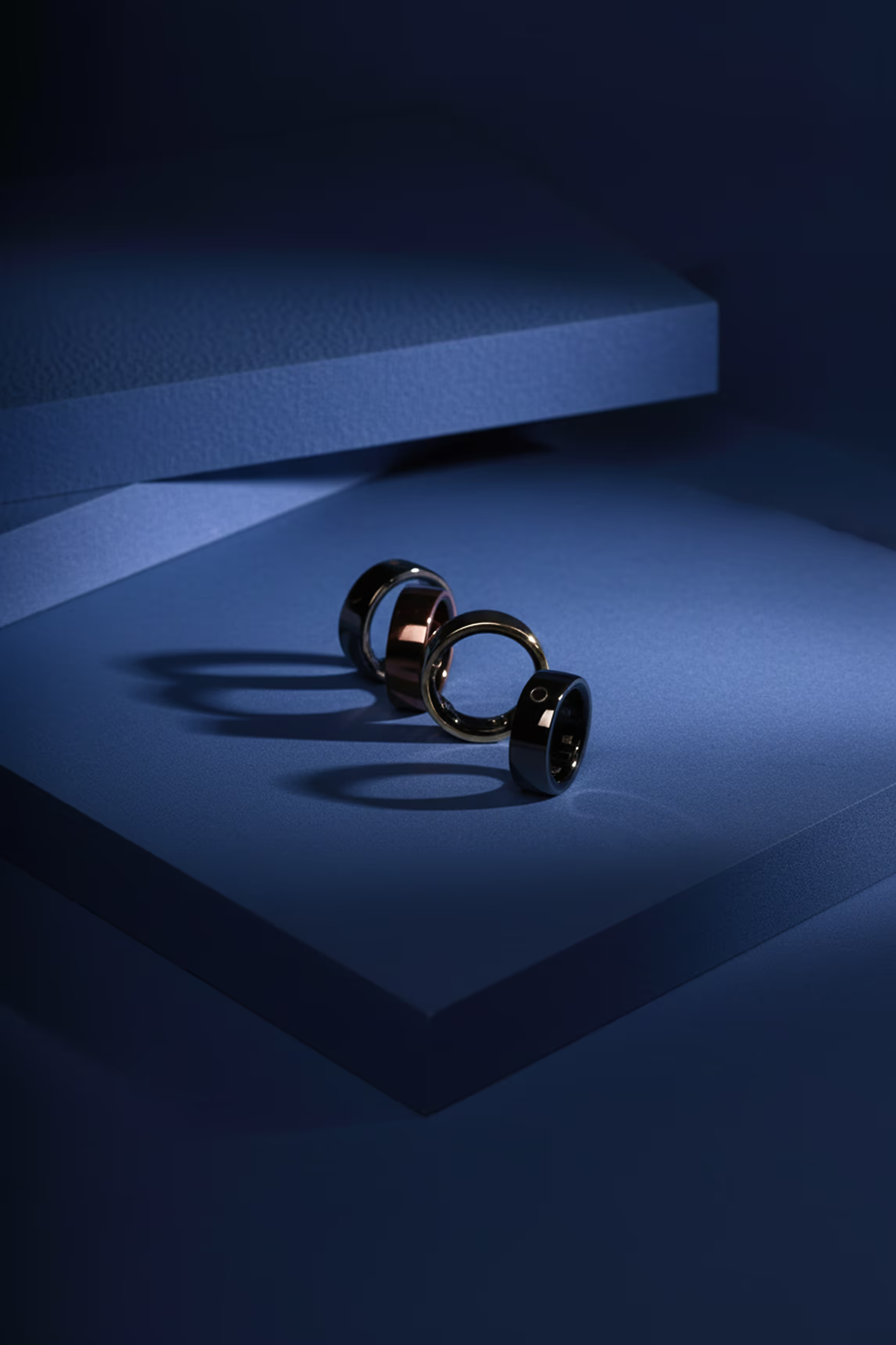
Blood Oxygen · Circular Ring 2
Circular Ring 2 measures your blood oxygen throughout the night. Stable oxygen levels are a good sign, but they are one part of the picture. When oxygen dips or varies, it usually means your breathing was disrupted or your body was working harder than it should during sleep. Add this signal to your sleep stages, your HRV, and your recovery score, and the full picture becomes clear: you slept but your body did not recover well.
Your resting heart rate is normal. You slept eight hours. You feel good. So you push hard in the workout. By the next day, your HRV has crashed and your resting heart rate is elevated. You overtrained without knowing it. The SpO₂ would have told you: your oxygen stayed low even after rest, a sign your body was still working hard to recover.
Sleep duration, mood, resting heart rate, and HRV don't always align. You need more data to make the call.
At 8,000 feet, lower oxygen is normal. You need to know if your body is adapting on schedule or struggling.
Sudden oxygen dips might be nothing, or they might be worth mentioning to a doctor. The pattern becomes visible only with data.
The ring measures your SpO₂ continuously. You see the nightly average, the pattern across nights, and how it compares to your personal baseline. Connect the oxygen data to your RHR, HRV, breathing rate, and training load, and the recovery picture becomes clear. Train hard when oxygen and recovery metrics align. Rest when they conflict. Understand altitude adaptation as it happens. Catch breathing patterns that might need investigation.
When you are accumulating training strain without adequate recovery, oxygen stays lower than baseline. Combined with elevated RHR and low HRV, it confirms: rest today.
At elevation, lower SpO₂ is expected. Watch for the pattern: days 1-2 should show lower oxygen. By day 4-5, it should normalize. If it does not, your body is not adapting well.
Sudden dips in oxygen during sleep night after night are worth discussing with a doctor. Occasional dips might be environmental. The pattern is visible in the data.
Your energy is high but HRV is low. Your mood is good but resting heart rate elevated. Add SpO₂ to the picture: if oxygen is also low, your body is still recovering. Trust the data, not the feeling.
A single metric leaves room for misinterpretation. SpO₂ + RHR + HRV + breathing rate + sleep quality = clear answer.
Continuous blood oxygen tracking and all training and recovery context are included with your ring's 14+ core feature plan.
You trained hard Monday and Tuesday. Wednesday morning, your HRV is lower than expected. Your resting heart rate is up two beats. Your mood is good. You feel ready. Should you push or rest? Check SpO₂. It stayed low even after sleep. Your body is still stressed from training. You do a light recovery day instead. By Friday, all metrics align and you can push again.
You flew to Denver to train. Night one, your oxygen is 91%, lower than your normal 97%. Your heart rate is elevated. This is expected. You monitor the next nights. Night three, oxygen climbs to 93%. By night five, it is back to 94-95%. Your body is adapting on schedule. You feel confident pushing the altitude workouts because the data confirms adaptation, not decline.
For three weeks, your SpO₂ is consistently one to two points below baseline. Your RHR is elevated. Your HRV is lower. Your energy score is moderate. Individually, none of these are alarming. Together, they paint one picture: you are accumulating training strain. You dial back intensity for a week. All metrics return to normal. You avoided the crash by reading the data early.
Over two weeks, you notice sudden drops in oxygen during sleep. Not every night, but a consistent pattern. Three nights show dips from 96% to 89%, then back to 95%. You bring the trend to your doctor, who decides what to look into next.
You had a bad cold last week. Your oxygen dropped to 92% during the illness. You feel better now but your oxygen is still 94%, not your normal 97%. Your HRV is still recovering. You wait two more days before pushing hard training. The oxygen data confirms when your body actually recovered, not just when you felt better.
Saturday night you drank three beers and got seven hours of fragmented sleep. Your Sunday oxygen is 93%. Monday night you had eight hours of solid sleep, no alcohol. Your Monday oxygen is 97%. You see the difference. You adjust Saturday nights accordingly.
Your SpO₂ on its own is a number. Connected to your RHR, HRV, breathing rate, sleep quality, training load, and energy score, it becomes actionable. Circular Ring 2 reads all signals together, which is why oxygen data matters: it sits inside the full recovery picture. When multiple signals align, you know the answer. When they conflict, SpO₂ often breaks the tie.
Kira AI
Low oxygen can mean several things: incomplete recovery from training, altitude adaptation in progress, a breathing pattern worth investigating, or early illness. Kira AI reads your SpO₂ alongside your RHR, HRV, breathing rate, training load, sleep quality, and recovery score. She translates the picture into one clear recommendation. Rest today, your body is still recovering. Push the altitude training, your adaptation is on schedule. Monitor your breathing, the pattern warrants a doctor visit. The recommendation fits your situation, not generic guidance.
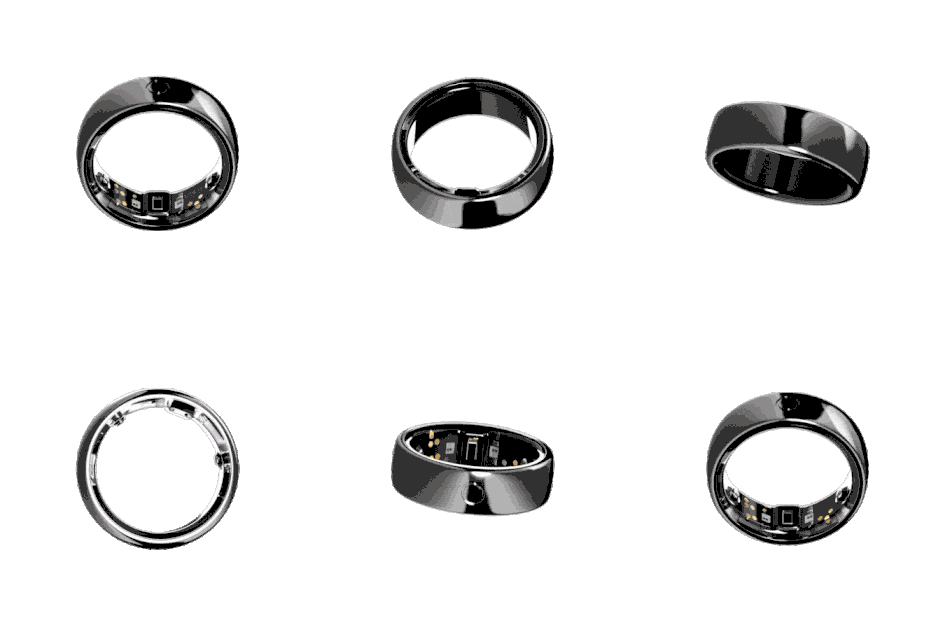
The ring has light sensors that shine red and infrared light through your finger. Oxygen-rich blood (oxyhemoglobin) and oxygen-poor blood (deoxyhemoglobin) absorb light differently. The system calculates the percentage.
The finger has strong blood flow and thin skin. The light passes through easily, which makes readings reliable during sleep, rest, and low-intensity activity.
Normal blood oxygen while resting or sleeping is 94 to 100 percent. Most healthy people are 96-98%. Your personal baseline matters. A dip from your normal is more meaningful than the absolute number.
Accurate within a 2 percent range. If Circular shows 96%, your true SpO₂ is between 94% and 98%.
At elevation, lower SpO₂ is normal and expected. At 10,000 feet, expect 88-92%. Your body is adapting if oxygen returns toward baseline after 3-5 days. If it stays very low without improving, your body is struggling to adapt.
Loose ring fit, cold fingers, poor circulation, or motion during sleep can reduce accuracy. The system filters obvious errors. During rest and sleep, readings are most reliable.
Hard training without adequate recovery keeps SpO₂ lower than baseline. Combined with elevated RHR and low HRV, it indicates your body needs rest.
Circular Ring 2 is not a medical device. It cannot diagnose sleep apnea, respiratory disease, or any condition. SpO₂ patterns can suggest something worth investigating. A sleep study is the proper test for sleep apnea.
Blood oxygen data is encrypted and processed with GDPR and HIPAA compliance.
USD$299
Circular Ring 2 is a wellness device. It does not diagnose, treat, cure or prevent any disease.
Blood oxygen is the percentage of oxygen your red blood cells are carrying. Normal levels are 94 to 100 percent. Your body needs adequate oxygen for training, recovery, and basic function.
The ring has light sensors that shine red and infrared light through your finger. Oxygen-rich blood and oxygen-poor blood absorb light differently. The system calculates your oxygen percentage.
When your body is still recovering from hard training, oxygen stays lower than baseline. Combined with high resting heart rate and low HRV, low SpO₂ confirms: do not push hard today.
Normal while resting or sleeping is 94 to 100 percent. Most healthy people are 96-98%. Your personal baseline matters more than the absolute number.
Accurate within a 2 percent range. If Circular shows 96%, your true SpO₂ is between 94% and 98%.
Low oxygen can mean several things: incomplete recovery from training, altitude adaptation, illness, breathing disruption during sleep, or poor sleep quality. The pattern and context determine the meaning.
Yes. Overtraining without adequate recovery keeps SpO₂ lower than your baseline. When low oxygen combines with high RHR and low HRV, your body needs rest.
At higher elevation, the air has less oxygen. Your SpO₂ will be lower while adapting. Expect 88-92% at 10,000 feet. Normal resting SpO₂ returns as your body adapts over 3-5 days.
No. Circular is not a medical device and cannot diagnose or screen for sleep apnea. It can show you a pattern of oxygen dips during sleep, which is useful to discuss with a doctor. A sleep study is the proper test.
After training, if your body is not recovering well, oxygen can stay lower than baseline overnight. This is a sign your recovery is falling behind your training.
Yes. Alcohol disrupts sleep quality and breathing stability. SpO₂ is often lower the night after drinking, even with eight hours of sleep.
Yes. When your body is fighting illness, oxygen can drop or become less stable. After recovery, oxygen returns to normal as a sign your body is truly recovered.
Within a few nights you can see your personal baseline. After 1-2 weeks, patterns and changes become visible. The longer you track, the more meaningful comparisons you can make.
Yes. If SpO₂ is low and your HRV is low and your RHR is elevated, rest today. If all three are strong, you can push. Use oxygen as one input in the recovery decision, not the only one.
Oura Ring 4 tracks oxygen during sleep. Circular also tracks during rest and recovery. The difference is how oxygen integrates into the broader training, recovery, and altitude picture.
No. Circular Ring 2 is not a medical device. Blood oxygen tracking is a wellness tool for pattern recognition and training context. For medical concerns, consult a doctor.
Yes. All data is encrypted and processed with GDPR and HIPAA compliance.

Take a reading whenever you want one. No subscription, no limit.